Your shoulder and hip take the brunt of it when you’re a side sleeper. That’s a lot of weight concentrated on two relatively narrow points for six to eight hours straight, night after night. A mattress protector for this position needs to do more than just shield the surface; it must cushion those pressure zones without altering the mattress’s carefully engineered support system, which is what keeps your spine in a neutral line. A thick, quilted topper that changes the feel entirely? That can actually mess up the alignment your mattress was designed for.
Think of it as adding a thin, breathable layer of shock absorption, not a new comfort layer. For pregnant women advised to sleep on the left side, that extra bit of cushioning over the hip and shoulder becomes even more critical—it’s about managing the increased weight and changing centre of gravity. The wrong protector can create a pressure ridge or a dead spot, forcing your spine to curve. You want the protector to disappear into the sleep experience, not dominate it.
And in our climate, that cushioning has a second job: managing moisture. Singapore’s humidity, often around 80% or more, means any bedding that traps heat and sweat is a non-starter. A protector that’s too plush or made from non-breathable materials will turn that cushioning into a warm, damp pad—exactly what you don’t need. The goal is a material that wicks moisture away while still providing that micro-cushioning, something like a breathable cotton blend or a high-tech fabric with cooling properties.
So the only time you’d skip this specific type of pressure-managing protector is if your mattress is already on the very soft side and you find it too plush. For the vast majority of side sleepers, especially in a typical HDB bedroom, that thin, breathable cushion is non-negotiable. It’s the buffer that lets the mattress do its job properly, protecting both your investment and your joints from the nightly grind.
A thick, quilted mattress pad might feel like a safe choice, but it can actually undo the careful engineering of your side-sleeper mattress. That medium-soft contouring layer—the memory foam or latex that cradles your shoulder and hip—is designed to sink just enough for pressure relief while keeping your spine in a neutral line. Slap a rigid, inch-thick protector on top, and you’ve effectively added a firm, unyielding barrier. Your body can’t sink into the comfort layers properly, which forces your spine out of alignment and defeats the whole purpose.
In a typical 12 sqm HDB common bedroom, where every piece must earn its keep, this mistake is especially costly. You’ve likely chosen that specific mattress after considerable research, aiming for that sweet spot of support. The protector’s job is to guard against spills and dust without changing the feel. So, the internal construction is what you need to scrutinise. A basic laminated vinyl cover will completely alter the mattress’s surface feel, making it slippery and unbreathable. A thick, foam-padded one adds its own firmness profile.
Look instead for protectors described as ‘fitted-sheet style’ with a thin, stretchable membrane or a lightly quilted cotton-terry surface. These are designed to be minimally intrusive. They should feel almost like a high-quality bedsheet, not like an extra mattress topper. The goal is to preserve the ‘give’ of your mattress’s top comfort layer, allowing your pressure points to settle in as the mattress intended. If your mattress is a genuine medium-soft, you’ll want a protector that adds no more than a couple of millimetres of uncompressed height.
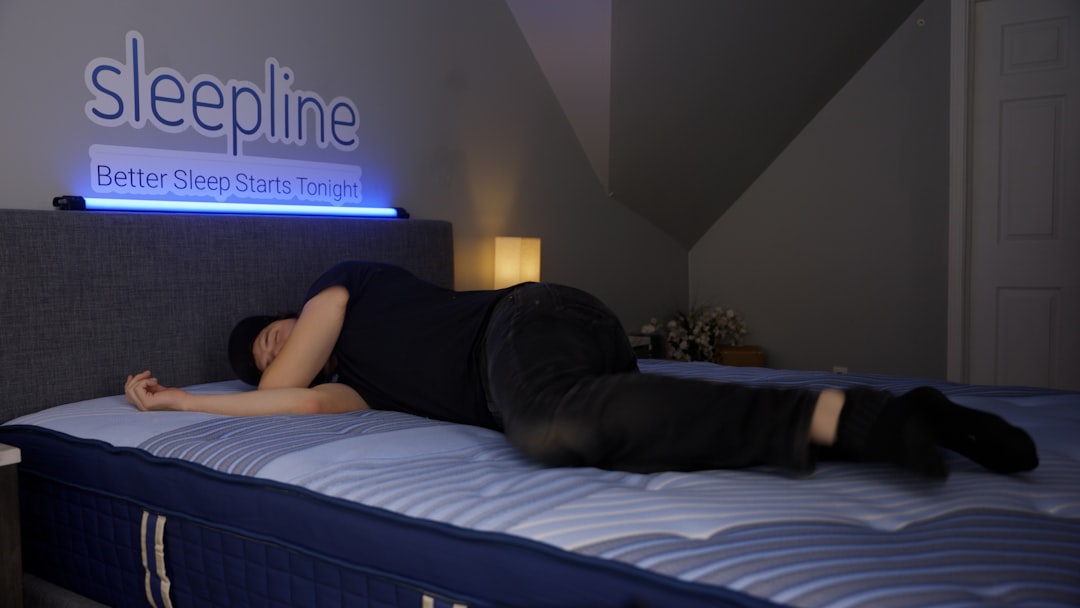
The only time a more substantial protector makes sense is if your mattress is firmer than ideal and you’re using the protector to *intentionally* add a slight softening buffer—a tactical fix, not a default. For the vast majority of side sleepers, the rule is simple: the protector should disappear. You shouldn’t feel it working at all; your spine’s alignment depends on that invisibility.
For side sleepers, the entire equation changes because your shoulder and hip sink deeper into the mattress. That prolonged, concentrated pressure means any heat trapped by the protector gets focused right onto those joints. A back sleeper spreads their weight evenly, so heat dissipation is less critical. For someone in a west-facing condo room, that afternoon sun has already baked the space, making that initial contact feel even warmer. You need a protector that doesn't act like an extra blanket right where you need relief the most.
Many waterproof membranes are essentially thin sheets of plastic, and they're fantastic at stopping spills from reaching your expensive mattress. The trade-off is they also stop body heat from escaping, creating a micro-climate of sweat and discomfort. In our humidity, that trapped moisture has nowhere to go, so you wake up feeling clammy. This is a bigger problem for side sleepers because the seal is often strongest where the fabric is stretched taut under your weight. It's a classic case of solving one problem only to create another that disrupts sleep.
Natural, breathable fabrics like high-thread-count cotton or advanced cooling fibres let air circulate much more freely. They feel noticeably cooler against the skin, which is a major win for thermal regulation throughout the night. The catch is they usually offer minimal waterproofing—maybe just a light treatment that washes out after a few cycles. If you're someone who drinks water by the bed or lives with the risk of spills, that's a genuine worry. You're prioritising sleep comfort over mattress protection, which is a valid choice but one you must make consciously.
The key is finding a protector that uses a breathable waterproof barrier, not a solid plastic one. Look for terms like "air-permeable membrane" or "moisture-vapor transmission." These technologies aim to let gaseous sweat out while blocking liquid spills from getting in. They won't feel as cool as pure cotton, but they won't roast you like a cheap PVC sheet either. For the pressure points of a side sleeper, this middle-ground material prevents that sticky, sealed-in feeling that can lead to tossing and turning. It's the compromise that makes the most sense for our climate.
That specific afternoon sun exposure turns your bedroom into a heat sink by evening. Any protector that retains heat will amplify this effect, making the first few hours in bed particularly unpleasant. In this scenario, breathability isn't just a luxury; it's a necessity for falling asleep at a reasonable hour. I'd lean towards the breathable protector every time for a west-facing room, and just be extra careful with liquids. The only exception is if you absolutely cannot risk a stain—then you tolerate the warmth for the security, but know you're making a real comfort sacrifice.
The whole point of visiting a showroom is to feel the thing in person. With a mattress protector, that's not just about checking the fabric—it's about confirming the protector doesn't undo the mattress's own work. You've chosen a mattress with that specific medium-soft feel to cradle your shoulder; a thick, quilted protector can add a surprising layer of padding that actually lifts you away from that pressure-relieving contour. It's a subtle shift, but for side sleepers, it's the difference between waking up pain-free and wondering why your new bed feels off. That's why you need to test them together.
At the Tampines or Joo Seng showrooms, you can lay a sample of each protector type directly on the Somnuz® display models. Don't just press your hand down; actually lie on your side, the way you would at home. Pay close attention to how your shoulder sinks in. A cooling protector with a smooth, thin membrane often disappears into the experience, letting the mattress's memory foam or latex do its job. A quilted one, while plush, can create a slight barrier—it might feel cosy at first touch, but it can subtly change the pressure map across your body. For anyone managing shoulder or hip pain, that's a critical detail you won't pick up from a website photo.
There's a practical reason to lean towards the thinner, cooling options. Singapore's humidity means any added bulk can trap heat, and a protector that sleeps hot will have you tossing regardless of pressure relief. The cooling variants are designed to manage that moisture and temperature, which supports deeper, more restorative sleep. They're also less likely to bunch or shift, a small annoyance that becomes a nightly frustration. For pregnant women advised to sleep on their side, that stable, cool surface is a genuine comfort.
The only time I'd consider a quilted protector on a side-sleeping mattress is if you genuinely find the mattress surface too firm for your liking, even after a proper break-in period. It can add a whisper of extra cushioning. But for most, the goal is to preserve the mattress's engineered feel, not alter it. So go down, lie down, and trust your shoulder's feedback—it's the best judge you've got.
The cheapest protectors—those hovering near eighty bucks—often feel like a thin sheet of plastic wrapped around your mattress. They’ll stop a spill, sure, but that’s about it. For a side sleeper, that basic layer does nothing to cushion your shoulder or hip; you’re basically sleeping on a crinkly barrier that can trap heat. It’s a stopgap, not an upgrade.
Cross the one-fifty mark, and the game changes. Here, you start seeing zone-specific quilting—extra padding mapped exactly where your pressure points land. Some models swap out that basic polyester for cooling fabrics like Tencel or advanced cotton blends. This tier actually considers how you sleep, not just what might spill. The protector begins working with your mattress’s comfort layers instead of just lying on top of them.
Push past two-fifty, and you’re paying for engineering. This is where advanced laminates come in—micro-thin membranes that are genuinely waterproof yet don’t feel like a sauna suit. They manage breathability, which is non-negotiable in our humidity. For a side sleeper in a west-facing flat during the monsoon season, that difference is everything. Your expensive, pressure-relieving mattress can actually do its job without you stewing in trapped moisture.
So, is the jump to the top tier worth it? For most side sleepers in Singapore, absolutely. The mid-range option is a solid compromise if you’re strictly capped, but the budget option? Cannot lah. It undermines the very mattress you bought for comfort. The only time you’d skip the investment is if you’re literally just needing a temporary cover for a guest room bed that gets used twice a year. For your own primary mattress, especially one designed for side sleeping, the protector shouldn’t be an afterthought.
" width="100%" height="480">How to select a mattress protector for side sleeping needsWalk into any showroom and you’ll hear the same lines tossed around about mattress protectors, repeated until they sound like fact. Let’s clear the air on a few, because what you believe about that thin layer can quietly undermine the careful investment you made in your side-sleeper mattress.
Take the idea that thickness doesn’t matter. For a side sleeper, it’s everything. A protector that’s too thin or stiff won’t let you sink into the pressure-relieving comfort layers of your mattress—your shoulder and hip just press against a taut sheet. You need a protector with enough plushness, like a good cotton terry or a Tencel blend, that contours along with you. That’s the only way you maintain the spinal alignment the mattress was designed for. A cheap, plasticky one? It’ll fight your mattress, not work with it.
Then there’s the blanket statement that all waterproof protectors are hot. That was true of the old vinyl-backed ones, but materials have moved on. Modern protectors use breathable membrane technology that blocks liquids but lets vapour through. In a typical 4-room BTO bedroom with our humidity, a good protector with a cotton or bamboo surface will feel far cooler than a basic polyester one that traps heat. The assumption that they all sleep hot is a decade out of date.
The five-year lifespan is another piece of fuzzy math. A protector’s longevity depends entirely on its material and construction. A basic microfiber one might start pilling or leaking after a couple of years of weekly washes. A well-made quilted protector with reinforced seams can easily last longer, but even then, it’s not immortal. If you’re washing it monthly in our climate, the elastic will fatigue, the fabric will wear. Judge it by its build, not by a mythical expiry date. The one real exception? If you rarely use it and never wash it, maybe it’ll last forever—but then what’s the point?
We all know that late-night Google search. You’re lying there with a sore hip, wondering if the very thing meant to protect your mattress is the thing ruining your sleep. So let’s tackle the real questions side sleepers are asking.
Can mattress protector cause back pain for side sleeper? It can, but it’s not the protector itself—it’s the wrong protector. If it’s too thick or has bulky seams, it won’t let you sink into the mattress’s pressure-relieving layers properly. Your shoulder and hip end up sitting on top, misaligning your spine. The culprit is usually a cheap, quilted protector that acts like a plank. For side sleeping, you need a protector that’s contouring and virtually seamless, so it disappears and lets the mattress do its job.
Best cooling mattress protector for hip pain in Singapore? You’re looking for two things: cooling and contouring. A waterproof membrane that’s also breathable, like a bamboo or Tencel blend, will help with our humidity. But the real trick for hip pain is a protector that’s stretchy and thin enough to hug the memory foam or latex beneath it. That way, the cushioning still wraps around your pressure points. Skip the padded ones; a fitted, stretch-knit style with a moisture-wicking top is your best bet for a cool, pain-free night.

How to clean protector without damaging memory foam mattress? Always take the protector off to wash it. Washing the whole bed is a recipe for disaster because memory foam hates moisture. Check the label, but most decent protectors can handle a cool, gentle machine wash. Avoid harsh detergents and fabric softeners—they can clog the waterproof membrane. Tumble dry on low heat or, even better, air it out. Never iron it. If you spill something, spot clean the protector immediately so liquid doesn’t seep through to the mattress below.
Mattress protector for pregnancy left-side sleeping? This one’s crucial. You need a protector that’s absolutely waterproof, because accidents happen, but also supremely comfortable as your body changes. Look for one that’s stretchy to accommodate your growing bump and has a soft, non-slip surface to prevent you from shifting around too much. The breathability factor is doubled here—you don’t want to overheat. A good, contouring protector will also ensure the mattress supports your new pressure points without creating any hard spots.
The moment you step into a showroom, the sheer number of options can overwhelm even the most prepared shopper. That’s why your final checklist at home is crucial—it turns a confusing browse into a targeted mission. You’re not just looking for a mattress; you’re looking for *your* mattress, and that starts with three non-negotiable confirmations.
First, grab a tape measure. A Queen is 152 by 190cm, but your specific bedroom layout might demand a Super Single or a tighter fit. Don’t just eyeball it; account for the skirting and that precious 30cm of clearance you need to move around. A mattress that can’t breathe because it’s jammed against the wall defeats the purpose of buying a new one for your shoulder pain. Speaking of pain, be brutally honest about where you feel it. Is it the right shoulder that aches every morning, or a persistent hip? That’s your body telling you exactly where the pressure relief needs to be deepest, and it’s the single most important detail to communicate during your in-person testing.
This clarity also resolves the protector debate before you even leave the house. If kids or pets are in the picture, waterproof security isn’t just a nice-to-have—it’s essential for longevity. But for an adult side sleeper in our humidity, that same waterproof layer can trap heat and make you sweat all night. You’ve got to pick your priority: is it defence against spills, or breathability for cool, pressure-relieving sleep? You can’t optimise for both, so decide now.
With your exact dimensions, pain points, and protector priority locked down, your trip to a showroom becomes purposeful. You’ll know to ignore the firm, supportive models meant for back sleepers and head straight for the medium-soft to medium options with thicker contouring layers. You can test with intent, spending a full ten minutes on your side to see if that nagging hip finally feels cradled. That’s how you move from browsing to buying with confidence, because you’ve done the hard thinking where it matters—at home.
Mattresses for side sleepers rely on softer comfort layers to cushion shoulders and hips. Memory foam or latex contouring layers, often 3 to 5 inches thick, provide this essential pressure relief. A medium-soft to medium firmness balances this cushioning with enough support to keep the spine aligned.
Singapore's high humidity, typically above 80%, can affect mattress materials over time. Quality foam layers should maintain their density and contouring ability without becoming damp or compacted. A well-ventilated mattress core helps prevent moisture buildup, ensuring long-term support for side sleepers.